Cockpit Automation: Balancing Safety and Pilot Control
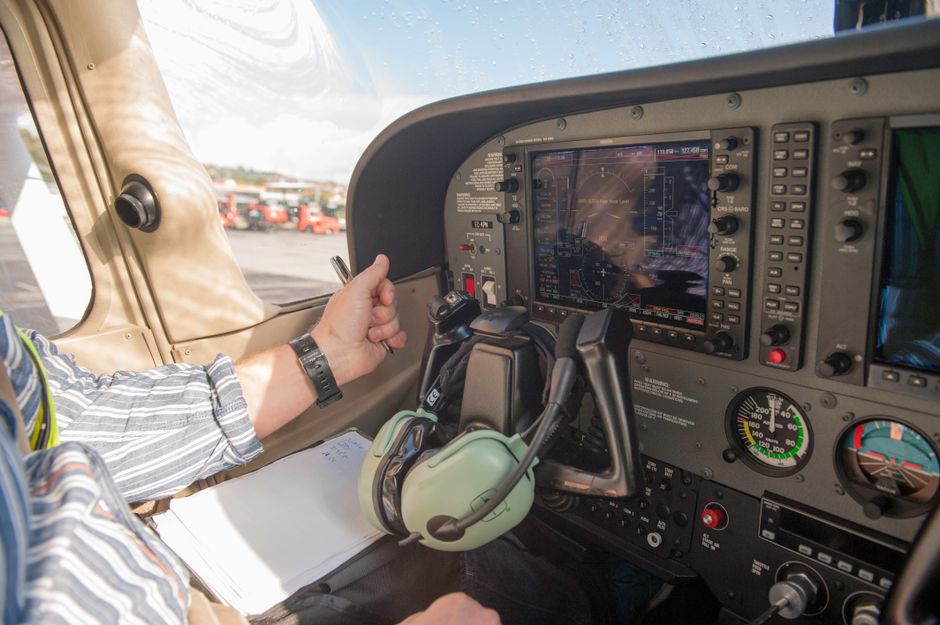
The evolution of cockpit automation has transformed aviation over recent decades. Modern aircraft increasingly rely on sophisticated autopilots and flight management systems to assist pilots during various phases of flight. These technologies aim to reduce workload and enhance operational precision, while maintaining the pilot’s central role in decision-making.
At the same time, questions regarding the appropriate balance between automation and human control continue to shape discussions within the industry. Maintaining pilot engagement is an important aspect of designing automatic systems, as the ability to intervene effectively depends on sustained awareness and understanding of the aircraft’s state. Pilots are not merely passive monitors; they remain active participants in the control loop.
According to Aviation Pulse’s analysis of current practices, the design philosophy behind modern cockpits seeks to support safety by distributing tasks between automation and the flight crew in a manner that leverages the strengths of each. This article examines how modern automation systems are designed to support this equilibrium, focusing on the principles behind system architecture, crew training, and operational procedures.
The Role of Autopilot Systems in Modern Aviation
Autopilot systems have been part of aviation for decades, but their capabilities have expanded significantly with digital technology. Today’s autopilots can manage a wide range of tasks, from maintaining a specific altitude and heading to executing complex instrument approaches. These systems operate by receiving inputs from sensors such as altimeters, gyroscopes, and air data computers, and then adjusting control surfaces or thrust accordingly.
The primary benefits of autopilot usage include reduced pilot fatigue during long flights, improved fuel efficiency through precise flight path control, and the ability to maintain stable flight in conditions that might otherwise be demanding for a human operator. For example, during oceanic crossings or extended cruise segments, the autopilot can relieve the crew of continuous manual control, allowing them to focus on monitoring and planning.
That said, the use of automation is not uniform across all phases of flight. Takeoff and landing are typically performed manually by the pilots, though some aircraft offer autoland capabilities under specific conditions. The decision to engage autopilot depends on factors such as weather, air traffic control requirements, and company procedures. The key point is that the system serves as a tool, not a substitute for pilot judgment.
Flight Management Systems and Their Functions
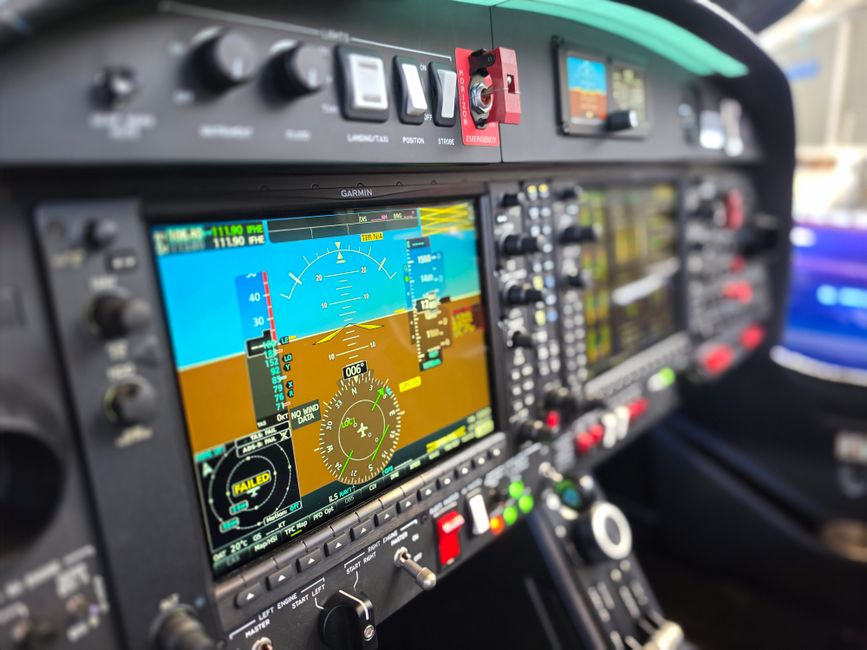
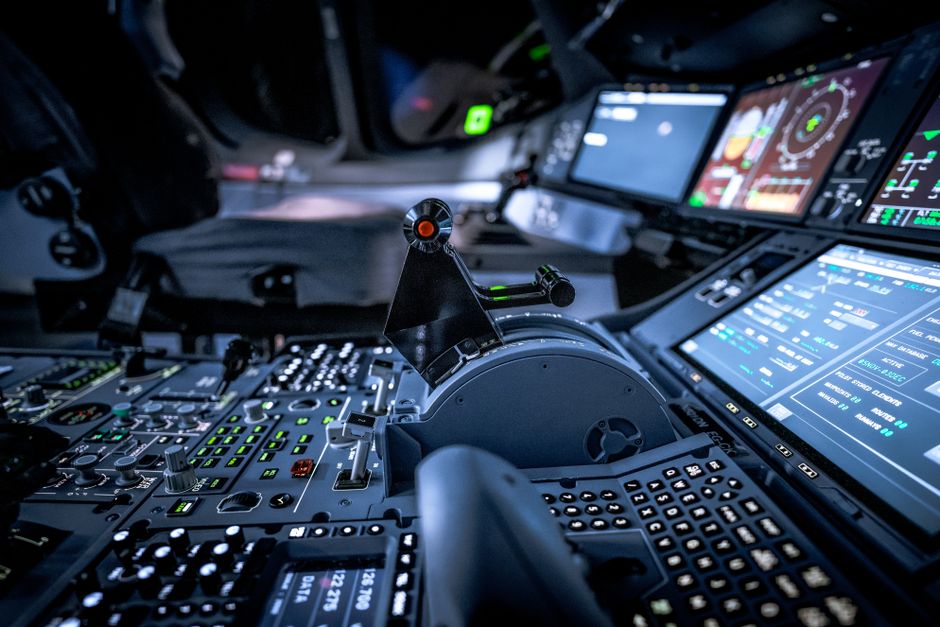
Flight management systems (FMS) represent a more sophisticated layer of automation that integrates navigation, performance optimization, and flight planning. The FMS allows pilots to input a route consisting of waypoints, airways, and approaches, and then calculates optimal speeds, altitudes, and fuel burns based on aircraft performance data. Once the flight plan is activated, the FMS can provide guidance commands to the autopilot or to the flight director display.
An important function of the FMS is to assist with vertical navigation, including altitude constraints and descent profiles. By automating these calculations, the system reduces the potential for human error in complex en-route or terminal area operations. However, pilots must still verify that the FMS-generated profile matches clearances and that any updates or changes are properly entered. Cross-checking between crew members and between displays remains a standard practice.
Several studies have noted that the complexity of modern FMS interfaces can sometimes lead to mode awareness issues. When the system behaves unexpectedly, pilots may need to quickly understand which automation mode is active and why. Training programs therefore emphasize the importance of knowing the underlying logic of the FMS and practicing the steps required to intervene or revert to manual control if necessary.
Designing for Pilot Engagement
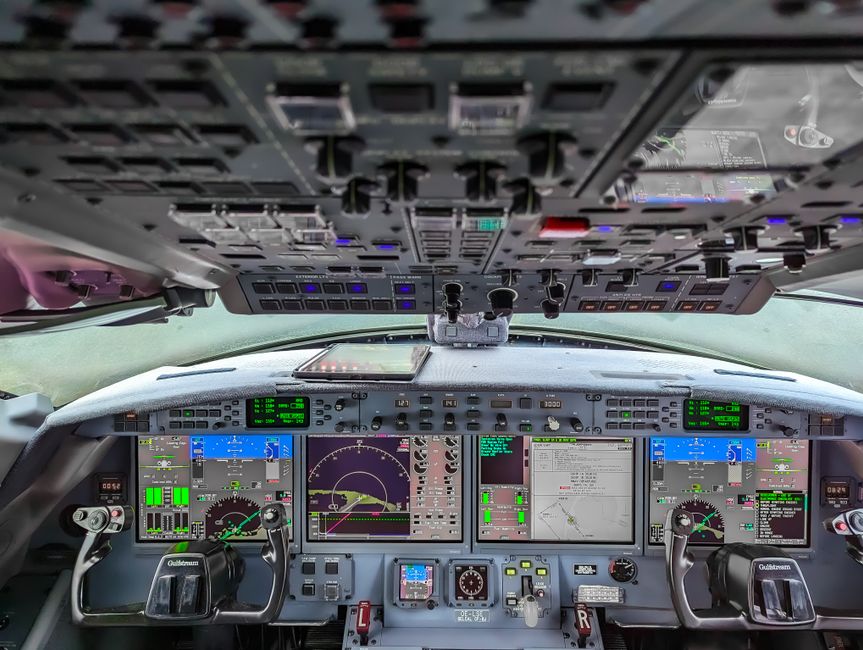
One of the central challenges in cockpit automation is ensuring that pilots remain fully engaged and aware of the aircraft’s state, especially when the automation is handling routine tasks. Designers address this through principles such as transparency, feedback, and appropriate allocation of functions. Automation transparency means that the system should clearly indicate its current mode, intentions, and limitations to the crew. This is achieved through annunciations, control panel indicators, and synoptic displays.
Feedback mechanisms include audio and visual alerts that draw attention to important changes, such as approaching a selected altitude or deviating from the flight path. Some automation designs require periodic pilot input to confirm attentiveness, for instance by pressing a switch or adjusting a value. These features are intended to counter the effects of complacency that can arise when a system operates reliably for extended periods.
Nevertheless, automation surprises still occur when the system’s behavior diverges from the pilot’s expectations. Investigating such events has led to improvements in both design and training. For instance, modern aircraft may include a dedicated mode annunciator panel that consolidates the status of various automation subsystems. The goal is to make the automation’s logic more intuitive and easier to monitor, so that pilots can maintain a clear mental model of the flight progress.
Training and Procedures for Automation Management
Effective use of cockpit automation depends heavily on comprehensive training and well-defined standard operating procedures. Pilots typically undergo initial and recurrent training that covers not only the normal operation of autopilot and FMS, but also strategies for handling non-normal events such as system failures or unexpected mode transitions. Simulator sessions allow crews to experience scenarios where automation behavior changes, requiring them to diagnose the situation and take appropriate action.
Crew Resource Management (CRM) plays a vital role in automation management. CRM emphasizes communication, decision-making, and workload distribution among the flight crew. When automation is active, pilots are encouraged to verbally cross-check each other’s inputs and to share observations about system behavior. This collaborative approach helps prevent single-pilot errors from going unnoticed.
Standard operating procedures often specify when automation should be used and when manual control is preferred. For example, during critical phases of flight or in high-workload situations, some operators recommend disengaging the autopilot to maintain direct feel and responsiveness. These procedures are developed based on safety data and operational experience, and they are regularly reviewed as technology and regulations evolve.
Future Directions in Cockpit Automation
Looking ahead, the evolution of cockpit automation continues with research into adaptive systems that could adjust their level of assistance based on the pilot’s workload or performance. Artificial intelligence and machine learning are being explored to enhance decision-support tools, for instance by predicting traffic conflicts or suggesting alternative routes in real time. However, integrating AI introduces new challenges regarding predictability, certification, and the pilot’s ability to trust and override the system.
Concepts such as single-pilot operations in commercial aviation have been discussed, but they raise significant questions about redundancy and workload management. Any reduction in crew size would likely require even more robust automation capabilities and new contingency procedures. Ongoing studies by organizations including the Federal Aviation Administration and the European Union Aviation Safety Agency aim to understand the human factors involved and to develop guidelines that maintain safety levels.
As Aviation Pulse’s research indicates, the path forward involves iterative improvements rather than radical shifts. Each generation of aircraft refines the balance between automation and pilot control, informed by incident analysis and advances in human factors engineering. The goal remains consistent: to create systems that support the pilot’s ability to manage complex operations effectively, without diminishing the vigilance and expertise that are essential to flight safety.