Five Essential Tips for Instrument Flight Rules
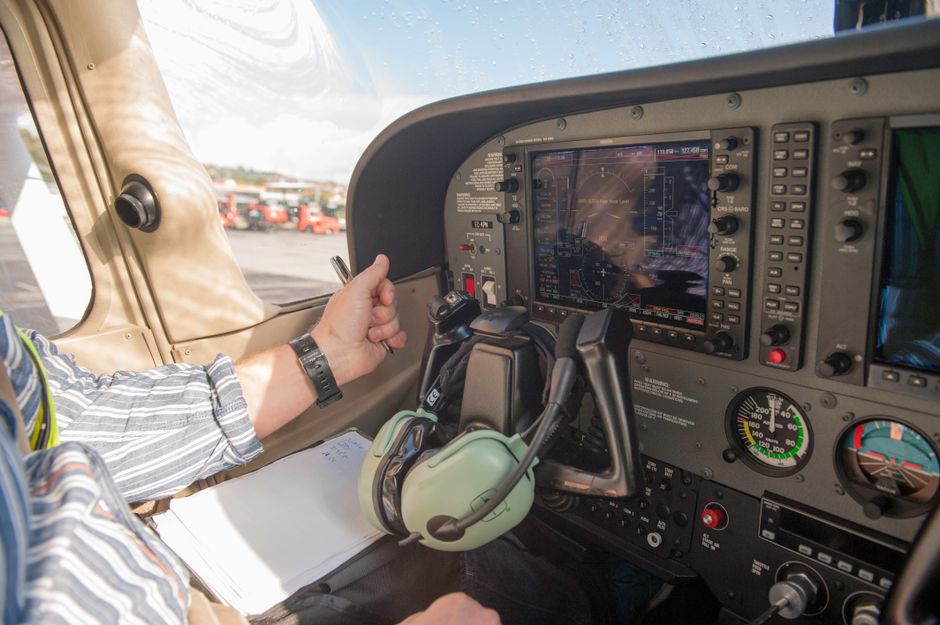
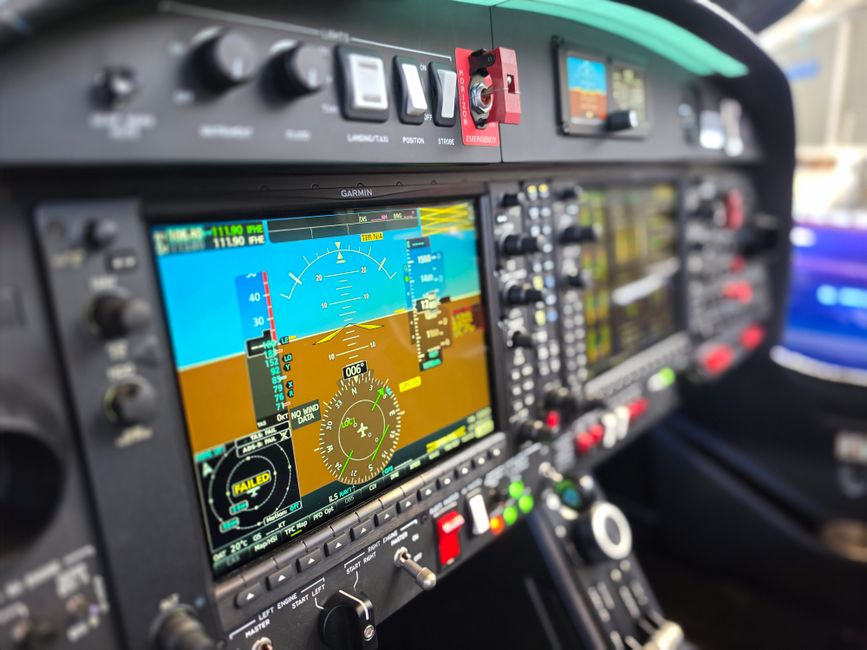
Flying under Instrument Flight Rules (IFR) demands a different mindset and a refined set of skills compared to visual conditions. The absence of external visual references requires pilots to rely entirely on instruments and procedural discipline. While every flight presents unique variables, certain principles can help pilots build a structured approach to IFR operations. These considerations focus on maintaining awareness, leveraging available technology, and managing the transition from enroute to approach phases in reduced visibility. The following concepts are not guarantees of performance, but rather methodologies that many pilots find useful when planning and executing IFR flights.
Aviation Pulse recognizes that IFR proficiency develops over time through consistent practice and honest self-assessment. No single technique works for every situation, but understanding a range of strategies allows pilots to adapt to changing circumstances. The five areas discussed below represent common points of emphasis in instrument training and operations. They are presented as starting points for further exploration rather than definitive rules.
Building and Maintaining Situational Awareness
Situational awareness in IFR is more than simply knowing one’s position on a map. It involves a continuous mental model of altitude, heading, airspeed, vertical speed, navigation source, and the relationship between the aircraft and terrain, obstacles, and airspace. One method to sustain this awareness is the instrument cross‑check, where the pilot systematically scans flight instruments in a pattern that prevents fixation on any single gauge. For example, moving from the attitude indicator to the altimeter, then to the heading indicator, and back to the attitude indicator helps maintain a balanced picture.
Another approach involves using automation wisely. Many modern aircraft provide moving maps and traffic displays that can enhance awareness, but they also risk distracting the pilot from primary flight parameters. A common practice is to set aside a brief moment every few minutes to mentally confirm the aircraft’s status against the flight plan. This might include checking distance to the next waypoint, fuel state, and weather updates. Pilots may also find it helpful to verbalize their intentions or read back clearances to reinforce the mental model. These habits do not eliminate errors but can reduce the likelihood of becoming disoriented during high workload phases.
Using Autopilot as a Workload Management Tool
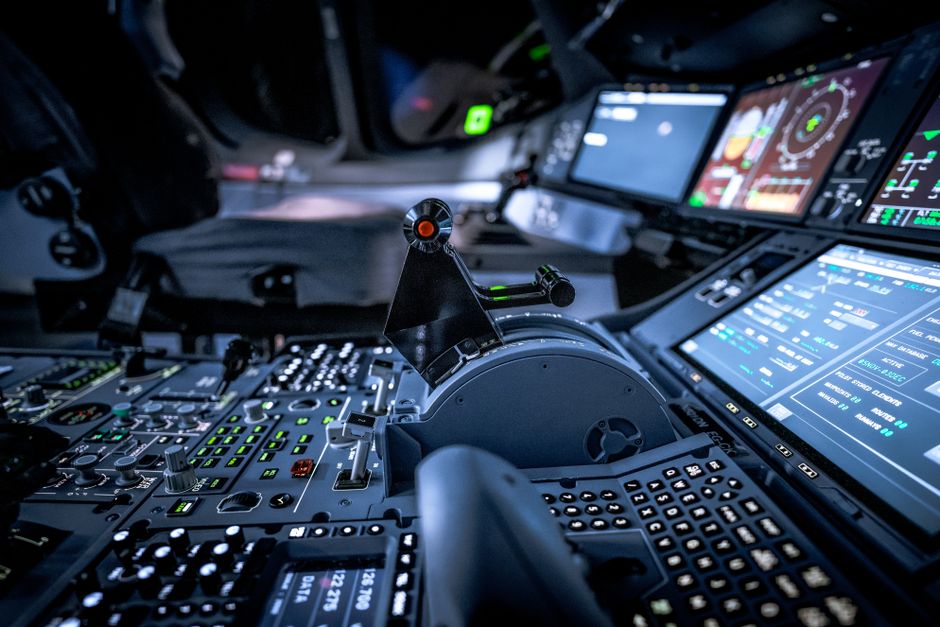
Autopilots are designed to reduce pilot fatigue and free cognitive resources for monitoring and decision‑making. However, inappropriate reliance or misunderstanding of autopilot modes can lead to unintended deviations. A useful approach is to treat the autopilot as a team member that requires supervision. Pilots should understand the behavior of each mode, especially how the autopilot reacts to altitude constraints, heading changes, and navigation source switches. For instance, when transitioning from a heading mode to a navigation mode, it is important to verify that the autopilot captures the correct course and does not overshoot or lag.
Many instructors recommend practicing manual flight under IFR conditions regularly to maintain proficiency in case of autopilot failure. During actual IFR operations, pilots can decide to engage the autopilot early in the flight to reduce workload during busy departure or arrival procedures. When flying in turbulence or icing conditions, understanding the autopilot’s limitations becomes critical. The autopilot may mask changes in aircraft handling or unusual attitudes. By staying engaged with the system’s inputs and cross‑checking against raw instrument data, the pilot retains ultimate control without over‑delegating safety.
Managing Approaches in Low Visibility
Approaches in low visibility conditions require careful planning and adherence to published minima. The most reliable method is to choose a suitable approach procedure well in advance, considering wind, terrain, and available navigation aids. Precision approaches such as ILS provide vertical and lateral guidance down to decision height, while non‑precision approaches like VOR or GPS require the pilot to manage descent increments manually. One common technique is to brief the approach before reaching the initial approach fix, including the missed approach procedure and alternate actions if visual contact is not established at the decision altitude.
During the approach itself, maintaining a stable flight path is paramount. Deviations in airspeed, altitude, or heading can increase the risk of exceeding approach limits. Pilots often find it beneficial to reduce speed earlier than usual and to use a constant descent angle when available. The use of automation can be helpful, but it is equally important to stay proficient in raw data flying. In low visibility, external visual references may appear only moments before landing. The pilot should be prepared to execute a missed approach calmly if the required visual cues are not present. This decision is not a failure but a standard part of instrument flying that prioritizes safety over completion.
Pre‑Flight Planning and Contingency Preparation
Thorough pre‑flight planning sets the stage for effective IFR operations. Beyond standard weather briefings and route selection, pilots can benefit from considering alternative scenarios. For example, planning an alternate airport with suitable instrument approaches and ensuring sufficient fuel to reach it is a regulatory requirement, but going beyond the minimum offers additional flexibility. Checking NOTAMs for navigation aid outages, runway closures, or procedure changes helps avoid surprises during the flight.
Another consideration is the personal minimums concept. Each pilot may choose to define personal limits for visibility, ceiling, crosswind, or other parameters that extend beyond regulatory minimums. This practice is not a judgment on ability but a recognition that conditions can change rapidly. Including time for weather updates and re‑briefings during the flight can also be part of the plan. Some pilots like to print or electronically store approach charts and airport diagrams for quick reference. By treating pre‑flight as an ongoing process rather than a one‑time checklist, the pilot remains better positioned to adapt when actual conditions differ from forecasts.
Cockpit Resource Management and Communication
Effective communication and use of available resources can significantly influence the outcome of an IFR flight. Crew resource management (CRM) principles apply even in single‑pilot operations. This means using checklists methodically, confirming ATC clearances, and making use of automated briefings or flight management system prompts. In a two‑pilot crew, cross‑checking each other’s inputs and verbalizing actions reduces the chance of errors slipping past both individuals.
Communication with air traffic control should be clear and timely. When conditions are busy, pilots can request a pause or clarification if a clearance is not fully understood. Many IFR incidents involve miscommunication or channel congestion. A simple technique is to write down clearances if uncertain. Additionally, using phraseology that matches standard FAA terminology helps avoid misunderstandings. Beyond ATC, sharing information with briefers, flight service stations, or company dispatchers (if applicable) provides a broader picture of the operational environment. These practices do not guarantee perfect outcomes, but they build a structured environment where decisions are made with the best available information.