Boeing 777X Review: Performance and Passenger Experience
The Boeing 777X represents the latest evolution in long-haul widebody aircraft design, building on the legacy of the 777 family while incorporating technologies developed for the 787 Dreamliner. Positioned as a replacement for earlier 777 variants and as a competitor to the Airbus A350, the 777X aims to offer improved fuel efficiency, extended range, and a significantly reimagined passenger cabin. This review examines its performance characteristics, cabin innovations, and how it compares to previous models like the 777-300ER.
Development of the 777X began in the early 2010s, with Boeing focusing on aerodynamic refinements, new engine technology, and a larger cabin cross-section. The aircraft is offered in two main variants: the 777-9, which can carry over 400 passengers, and the 777-8, designed for ultra-long-range routes. Initial deliveries were delayed due to certification challenges and market disruptions, but the aircraft is now entering service with several major airlines. This analysis looks at the technical and experiential aspects of the 777X, based on publicly available data and expert assessments.
Understanding the 777X requires examining how its design choices influence operational performance and passenger comfort. The following sections break down the key areas of fuel efficiency, cabin features, and overall passenger experience, with comparisons to earlier 777 models where relevant.
Fuel Efficiency and Range
The 777X is powered exclusively by the General Electric GE9X engine, which is among the largest and most advanced turbofans ever produced. The engine incorporates a 10-stage high-pressure compressor, ceramic matrix composite shrouds, and a 16-stage low-pressure turbine, all contributing to a reduction in specific fuel consumption compared to the GE90 engines used on the 777-300ER. According to Boeing, the GE9X is designed to offer a fuel burn improvement of approximately 10% over the previous generation, though actual results depend on factors such as flight conditions, weight, and maintenance practices.
Aerodynamic improvements also play a significant role in the 777X’s efficiency. The aircraft features a new composite wing with a longer span and higher aspect ratio, which reduces induced drag. The wingtips are folding mechanisms that allow the 777X to fit into standard airport gates while still benefiting from the aerodynamic advantages of a larger wingspan during flight. This folding wingtip system is a first for commercial aviation and requires careful integration with ground operations. In cruise, the wing’s shape and the use of raked wingtips help optimize lift-to-drag ratio.
The combination of engine and aerodynamic upgrades gives the 777-9 a range of about 7,285 nautical miles (13,500 km), while the 777-8 extends that to approximately 8,730 nautical miles (16,170 km). This range capability allows airlines to operate routes such as Dubai to Los Angeles or Singapore to London without refueling stops. Compared to the 777-300ER, which had a range of roughly 7,825 nautical miles, the 777-9 trades a slight reduction in maximum range for greater passenger capacity and lower per-seat fuel consumption. The actual range achieved on any given flight depends on payload, weather, and operational procedures.
Cabin Innovations
The interior of the 777X represents a significant departure from previous 777 cabins. The fuselage cross-section is wider than that of the 777-300ER, allowing for more interior space in both economy and premium cabins. Boeing has introduced a new cabin architecture that includes larger overhead bins, a higher ceiling, and windows that are 16% larger than those on the 777-300ER. The cabin is designed to be more comfortable at altitude, with a lower cabin altitude (6,000 feet) compared to older aircraft, which may reduce passenger fatigue on long flights.
Seating configurations vary by airline, but the wider fuselage permits a 10-abreast layout in economy class with seat widths that can be comparable to 9-abreast configurations on older aircraft. Some airlines are choosing to offer 9-abreast seating for premium economy or business class. Boeing has also introduced a modular interior design that allows airlines to reconfigure the cabin more easily during maintenance cycles. The lighting system uses LED technology that can simulate natural daylight cycles, which may contribute to passenger well-being on long-haul routes.
Key innovations in the 777X cabin include:
- Larger panoramic windows that provide more natural light and a sense of spaciousness.
- Improved air filtration and humidity systems, aiming for a more comfortable environment.
- Flexible seating layouts that can be adjusted based on airline preferences and route demands.
- Enhanced crew rest areas and galleys, designed to improve service efficiency.
These features are intended to improve the overall travel experience, though the actual impact depends on how each airline implements its specific cabin configurations and service standards.
Passenger Experience
Passenger experience on the 777X is influenced by the cabin environment, noise levels, and in-flight entertainment systems. The aircraft’s structure includes advanced noise-dampening materials and a quieter engine design, which may result in lower cabin noise compared to earlier 777 models. In preliminary tests, the cabin noise level has been reported as similar to that of the 787 Dreamliner, which is known for its quiet interior. Lower noise can contribute to a more relaxing journey, especially on overnight flights.
The in-flight entertainment system on the 777X is typically supplied by Panasonic Avionics or Thales, offering high-resolution screens and improved connectivity. Many airlines are equipping the aircraft with satellite-based Wi-Fi that supports streaming and real-time communications. The larger windows and higher ceiling also enhance the sense of space, which may be particularly noticeable in economy class. Seat pitch and width remain dependent on airline choices, so the actual comfort level varies by carrier.
Another aspect of passenger experience is the boarding process. The 777X’s wider cabin and larger overhead bins are designed to reduce boarding time, as passengers can store carry-on luggage more efficiently. Some airlines are introducing new boarding procedures that take advantage of the cabin layout. However, the effectiveness of these measures depends on ground handling and passenger behavior. Overall, the 777X aims to provide a more pleasant journey, but individual experiences will differ based on route, airline, and seat selection.
Performance Metrics and Comparison to Previous Models
When comparing the 777X to the 777-300ER, several performance metrics stand out. The 777-9 has a maximum takeoff weight (MTOW) of 775,000 pounds (351,500 kg), compared to 775,000 pounds for the 777-300ER, but the 777-9 can carry more passengers over a slightly shorter range. The 777-8 has a lower MTOW of 775,000 pounds as well, but offers longer range with fewer seats. The GE9X engine produces up to 105,000 pounds of thrust, slightly less than the GE90-115B’s 115,000 pounds, but the overall fuel efficiency improvement means the 777X can achieve similar or better payload-range capabilities with less fuel.
Takeoff and landing performance is also affected by the new wing design. The longer wingspan provides better lift at low speeds, which can improve takeoff performance for certain airports. However, the folding wingtips add weight and complexity. The 777X has a higher aspect ratio wing, which contributes to better climb performance after takeoff. In terms of cruise speed, the 777X typically cruises at Mach 0.84, similar to the 777-300ER. The aircraft’s systems are designed to reduce maintenance requirements, with more electrical systems replacing hydraulic components, a trend seen on the 787.
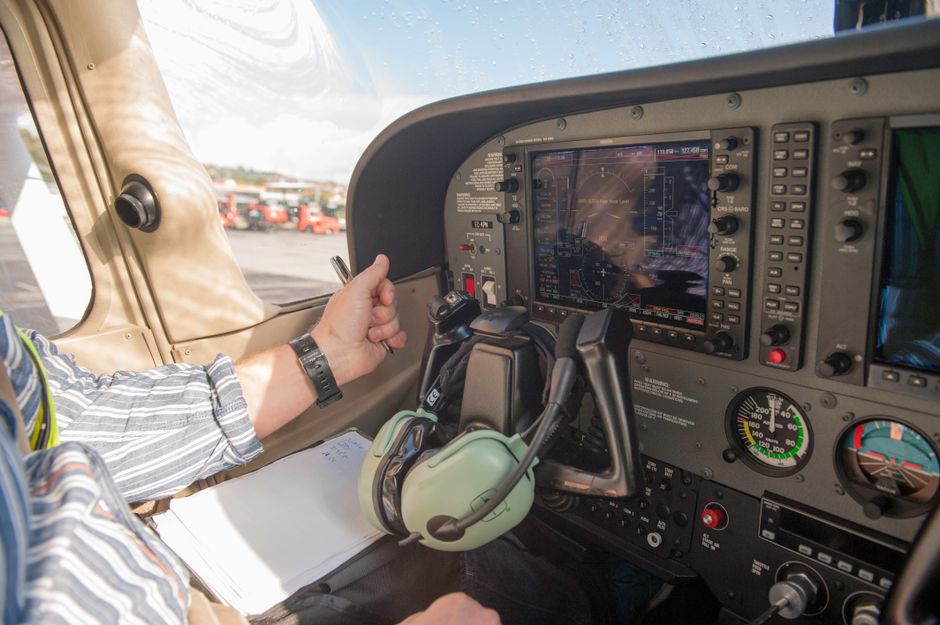
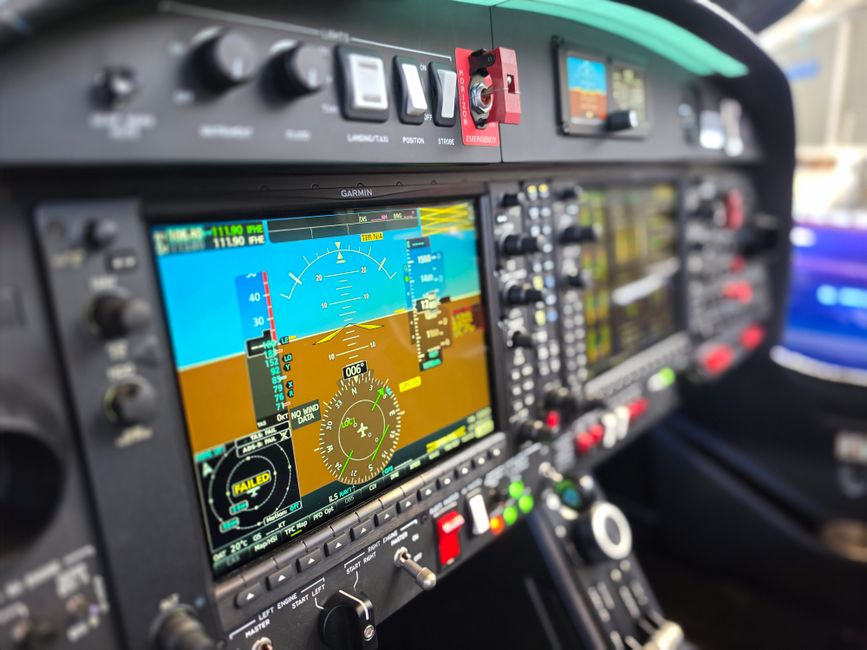
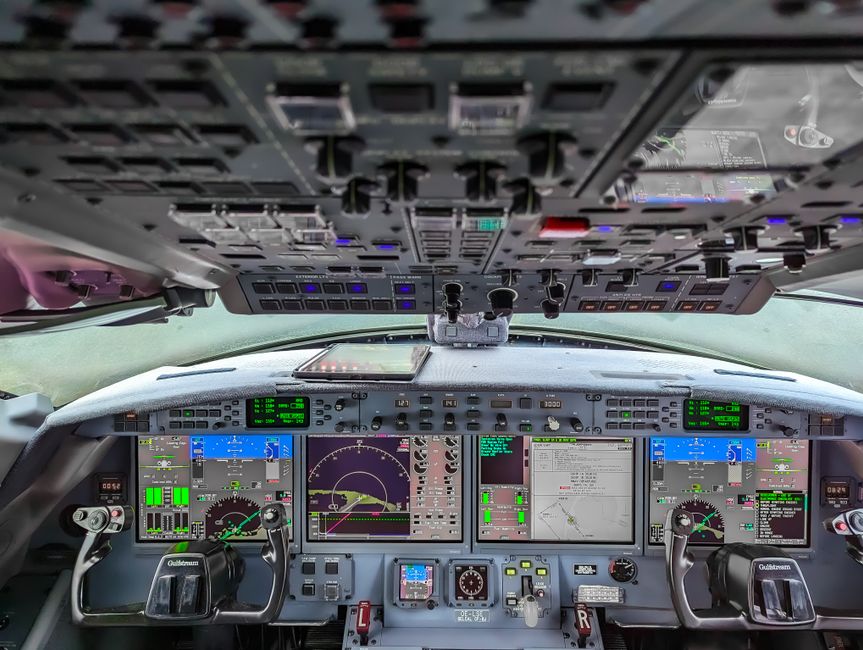
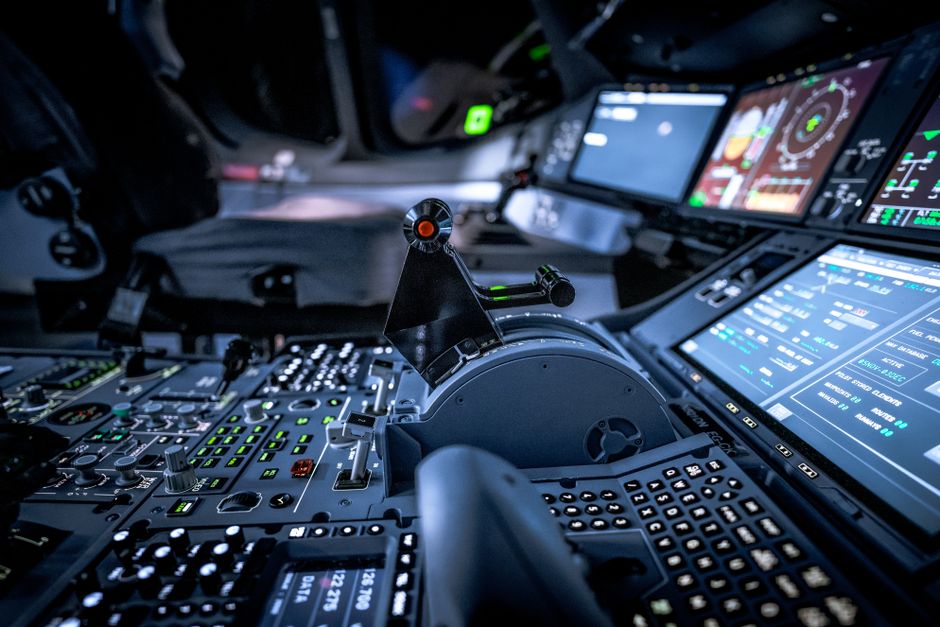
Operationally, the 777X requires pilot training that differs from earlier 777 models due to the new cockpit displays and fly-by-wire systems. Boeing has aimed for commonality with the 787 cockpit, which may reduce transition training for pilots already qualified on that aircraft. Maintenance practices also evolve, with new diagnostic systems that can predict component wear. These factors influence airline operating costs and scheduling flexibility.
Operational Considerations and Market Positioning
Airlines evaluating the 777X must consider its fit within their route networks. The aircraft’s high capacity makes it suitable for high-density routes between major hubs, where airlines can fill the larger number of seats. The improved fuel efficiency per seat may lower operating costs on long-haul flights, but the overall economic benefit depends on load factors and ticket pricing. Some carriers are using the 777X to replace older 747s or A340s, while others are adding capacity to existing routes.
The 777X also faces competition from the Airbus A350-1000, which offers similar capacity and range. Comparisons between the two often involve fuel burn, cabin comfort, and customer preferences. Boeing’s strategy has been to offer a wider cabin and more flexible interior options, while Airbus emphasizes mature technology and earlier entry into service. The choice between the two depends on airline-specific requirements, including fleet commonality, maintenance infrastructure, and route characteristics.
As of now, the 777X has received orders from airlines such as Emirates, Qatar Airways, Lufthansa, and Singapore Airlines. These carriers have different operational needs, from ultra-long-haul to regional high-capacity flights. The aircraft’s success will be measured by its ability to meet these diverse demands while delivering the promised efficiency gains. Ongoing certification processes and supply chain developments will continue to influence delivery timelines and aircraft availability.
In summary, the Boeing 777X brings together several technological advancements that aim to improve fuel efficiency, extend range, and enhance passenger comfort. Its folding wingtips, GE9X engines, and redesigned cabin represent notable steps forward from earlier 777 models. However, the actual performance and passenger experience will vary based on airline implementation, operational conditions, and market factors. As more 777X aircraft enter service, further data will provide a clearer picture of how it compares to its predecessors and competitors.