Sustainable Aviation Fuel: A Step Toward Green Skies
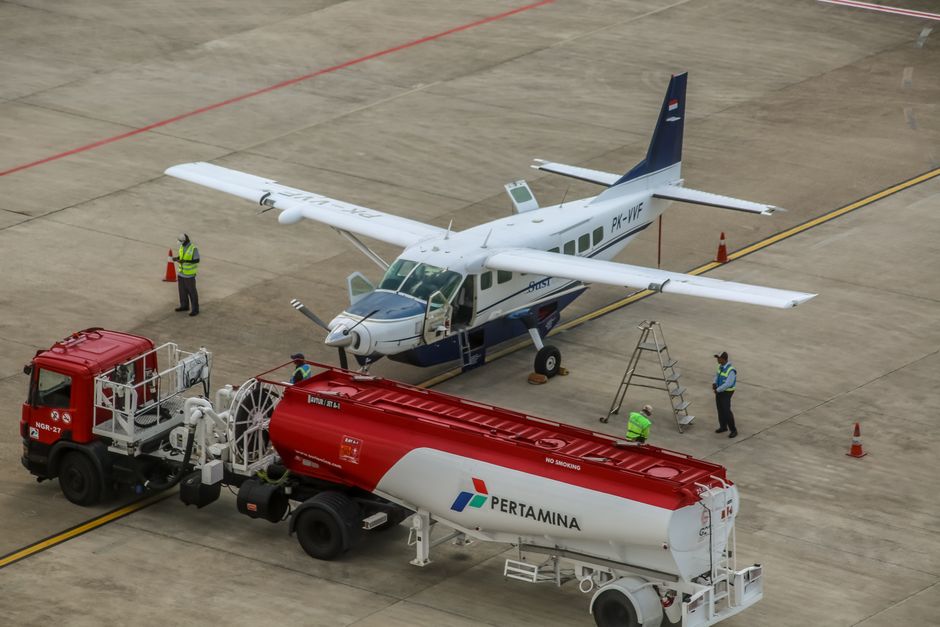
The aviation industry has long been under scrutiny for its contribution to global carbon emissions. With air travel demand continuing to rise, the search for viable alternatives to conventional jet fuel has become a central focus for airlines, manufacturers, and policymakers. Among the most promising developments in this area is the emergence of sustainable aviation fuel, often referred to as SAF. This category of fuel includes both biofuels derived from biological feedstocks and synthetic fuels produced through chemical processes using renewable energy. While the adoption of SAF is still in its early stages, the momentum behind it reflects a broader shift toward exploring lower-carbon options in a sector that is difficult to electrify.
Efforts to integrate SAF into commercial operations have grown significantly over the past few years. Many airlines have begun blending small percentages of SAF with traditional kerosene, and some have even operated flights powered entirely by sustainable fuel. These initiatives are often part of voluntary carbon reduction programs or partnerships with fuel producers and airports. However, the path to widespread use is not straightforward. The production volumes remain low, costs are considerably higher than conventional fuel, and certification processes require careful oversight. Understanding the current landscape of SAF involves examining the technologies, the stakeholders, and the barriers that shape its potential role in decarbonizing aviation.
This article provides an overview of sustainable aviation fuel, exploring how it is produced, what initiatives are underway, and what challenges must be addressed for it to become a mainstream energy source for aircraft. The focus is on the processes and context rather than on specific outcomes, as the future of SAF will depend on a complex interplay of technological innovation, economic factors, and regulatory frameworks.
What Is Sustainable Aviation Fuel?
Sustainable aviation fuel refers to liquid jet fuel that is produced from non-petroleum sources and meets certain sustainability criteria. Unlike conventional jet fuel, which is refined from crude oil, SAF is made from renewable feedstocks such as used cooking oil, agricultural residues, municipal waste, or even captured carbon dioxide combined with green hydrogen. The chemical composition of SAF is similar to that of fossil-based jet fuel, which allows it to be blended with conventional fuel and used in existing aircraft engines without major modifications. This drop-in capability is one of the key advantages of SAF, as it avoids the need for redesigning aircraft or airport infrastructure.
There are several certified production pathways for SAF, each with different feedstocks and processes. The most common pathway today is the hydroprocessed esters and fatty acids process, which uses oils and fats. Other methods include Fischer-Tropsch synthesis from biomass or waste, alcohol-to-jet conversion, and synthetic fuel production using renewable electricity and carbon capture. Each pathway has its own lifecycle emissions profile, and the overall carbon reduction potential depends on factors such as feedstock sourcing, energy inputs, and transportation. Typically, SAF can reduce lifecycle carbon emissions by 50 to 80 percent compared to conventional jet fuel, although these figures vary depending on the specific production route and assumptions used in analysis.
Current Industry Initiatives and Adoption
A number of airlines around the world have begun incorporating SAF into their fuel supply chains. These initiatives often start with small-scale blending agreements, where airlines commit to purchasing a certain volume of SAF for use on specific routes or at particular airports. For example, some carriers have established long-term offtake agreements with producers, while others have joined industry alliances aimed at scaling up production. Airports in regions such as Northern Europe and the West Coast of the United States have become early hubs for SAF distribution, partly due to supportive local policies and investment incentives.
Beyond individual airline efforts, collaborative platforms such as the Sustainable Aviation Fuel Users Group and the Clean Skies for Tomorrow coalition have brought together stakeholders from across the aviation value chain. These groups work on standardizing certification, sharing best practices, and advocating for policy measures that can lower the cost gap between SAF and conventional fuel. According to analyses published by organizations like Aviation Pulse, the level of corporate enthusiasm for SAF is high, yet actual uptake remains constrained by supply limitations. The total global production of SAF in recent years represents only a tiny fraction of total jet fuel demand, underscoring the need for significant expansion in manufacturing capacity.
Some airlines have also chosen to purchase carbon offsets or invest in other emission reduction measures alongside SAF adoption. This multifaceted approach reflects a recognition that no single solution is likely to decarbonize aviation entirely. The current initiatives serve as pilot projects and learning opportunities, generating data on operational performance, fuel handling, and cost management that will inform future scaling decisions.
Production Pathways and Feedstock Challenges
The diversity of SAF production pathways offers flexibility, but each comes with unique challenges related to feedstock availability, energy intensity, and scalability. Biofuel pathways that rely on oils and fats, for instance, are limited by the amount of waste oils that can be collected. Competing uses for these feedstocks in other industries, such as biodiesel for ground transportation, can drive up prices and create supply constraints. Similarly, agricultural residues and forestry waste are abundant in theory, but collection and preprocessing logistics are often expensive and energy-intensive.
Advanced pathways, such as alcohol-to-jet and Fischer-Tropsch synthesis, have the potential to use a wider range of feedstocks, including lignocellulosic biomass and municipal solid waste. However, these technologies are currently at lower levels of commercial maturity and require substantial capital investment. Synthetic fuels made from captured carbon dioxide and renewable hydrogen represent a longer-term option, as they depend on the availability of low-cost green electricity and carbon capture infrastructure. The production of synthetic SAF is often referred to as power-to-liquid technology, and while its theoretical carbon neutrality is appealing, the energy efficiency and economic viability remain subjects of ongoing research.
Another key factor is the sustainability certification of feedstocks. To qualify as SAF, fuels must demonstrate that they do not cause indirect land-use change, deforestation, or competition with food production. Certification schemes such as the Roundtable on Sustainable Biomaterials provide a framework for verifying these criteria, but the complexity and cost of compliance can be a barrier for smaller producers. Ensuring that the entire supply chain is transparent and verifiable is essential for maintaining the environmental credibility of SAF, but it also adds layers of documentation and auditing that can slow down project development.
Economic and infrastructural obstacles
The most immediate barrier to widespread SAF adoption is the significant cost difference compared to conventional jet fuel. SAF can be two to four times more expensive, depending on the production pathway and region. This price premium stems from higher feedstock costs, smaller production scales, and the capital intensity of newer facilities. Airlines operate on thin profit margins and face intense competition, making it difficult to absorb these additional expenses without passing them on to passengers. Some carriers have introduced voluntary carbon contribution programs that allow travelers to pay a small surcharge to cover the cost of SAF, but such mechanisms have limited uptake and do not address the structural cost gap.
Infrastructure for SAF distribution and storage is also in its infancy. Most airports are designed to handle large volumes of conventional jet fuel delivered via pipeline or truck. SAF must be transported separately and stored in dedicated tanks in some cases, or carefully managed to maintain blend certifications. Retrofitting existing fuel farms and hydrant systems requires investment from airport authorities and fuel suppliers, and these parties often wait for clearer signals of long-term demand before committing capital. The development of a robust SAF supply chain therefore requires coordination among airlines, fuel producers, airports, and regulators, which can be slow and fragmented.
Policy measures such as blending mandates, tax credits, and grant programs have been introduced in some jurisdictions to help bridge the cost gap. For instance, the European Union’s ReFuelEU Aviation regulation sets increasing blending targets for SAF over the coming decades. In the United States, the Inflation Reduction Act includes provisions for a blender’s tax credit and funding for research and development. These policies can create certainty for investors, but their effectiveness depends on implementation details, such as the scope of eligible feedstocks and the stringency of sustainability criteria. Without stable and long-term policy support, the financial risks of building new SAF production capacity remain high.
The Road Ahead: Technological Maturation and Collaboration
The future of sustainable aviation fuel will likely be shaped by ongoing efforts to improve production efficiency, reduce costs, and expand feedstock availability. Research into new catalysts, fermentation processes, and direct air capture could unlock more economical pathways. At the same time, collaboration between the aviation sector and other industries, such as waste management and renewable energy, may help integrate SAF production into broader circular economy systems. The concept of using renewable electricity to produce hydrogen for synthetic fuels, for example, could create synergies with the decarbonization of other hard-to-abate sectors.
It is important to note that SAF is not a silver bullet. Even if production scales up dramatically, the total supply of sustainable feedstocks and renewable energy is finite. Therefore, SAF must be part of a broader portfolio of measures that includes improved aircraft efficiency, optimized flight operations, and potentially new propulsion technologies like hydrogen or electric aircraft for short-haul routes. The relative contribution of each measure will vary by region and over time. The transition to lower-carbon aviation requires systemic changes that involve not only fuel but also aircraft design, air traffic management, and passenger behavior.
In summary, sustainable aviation fuel represents a tangible step toward reducing the carbon footprint of air travel, but its journey from niche pilot projects to mainstream adoption is filled with technical, economic, and regulatory hurdles. The current initiatives and ongoing investments illustrate a growing commitment from many players in the industry, yet the pace of change remains uncertain. By focusing on transparent methodologies and continuous improvement, stakeholders can collectively work toward making SAF a viable option for a more sustainable aviation future.